.png)

- Diesel Forklift
-
- Tire Handler Forklift for Industrial Tire Handling FLIFT 3.5 tonne forklift with dual front tires and Cascade Paper Roll Clamp 5 Ton Diesel Forklift with Dual Front Tires and 3 Stage 5m Mast 8000-8800lb Diesel Forklift Truck by FLIFT | Heavy Duty Industrial Forklift 25-30tonne Diesel Forklift 16T Forklift Truck 4.5 Ton Diesel Forklift 48 Ton Diesel Forklift 3 Ton Diesel Forklift 3.5 Ton Diesel Forklift 2.5 Ton Diesel Forklift 33 Ton Diesel Forklift 15 Ton Diesel Forklift 10 Ton Diesel Forklift 8 Ton Diesel Forklift 4 Ton Diesel Forklift 6Ton Forklift 2 Ton Diesel Forklift 1 Ton Diesel Forklift 1.8 Ton Diesel Forklift 1.5 Ton Diesel Forklift 7 ton forklift 35 ton Forklift Rough Terrain Forklift
- Electric Forklift
-
- Heavy-Duty 3.5T Electric Forklift with Customized Dual Front Tires and 5m Mast 3-3.5ton 4 Wheel lithium Forklift Trucks 7000lb high voltage lithium forklift 2.5t electric fork truck with forklift pallet rotator 6000lb-7000lb Lithium electric forklift Narrow Aisle Stand Up Counterbalance Forklift – High Efficiency Warehouse Solution 3.8ton Low Voltage Lithium Battery Forklift 12t Lithium high capacity forklift 12t large capacity electric forklift 8ton Electric Forklift 10t electric forklift truck 25ton Lithium Battery Forklift 7ton Electric Forklift 16-20t Large Capacity Lithium Battery Forklift 2 Ton Electric Forklift 1.8 Ton Electric Forklift 6 Ton Electric Forklift 1.5 Ton Electric Forklift 1.0-1.5 Ton Electric Forklift 2.5 Ton Electric Forklift 3.5 Ton Electric Forklift 4.0-4.5 Ton Electric Forklift 5 Ton Electric Forklift 3 Ton Electric Forklift 1.6-1.8Ton Three Wheel Electric Forklift 2 Ton three wheel electric forklift
- Rough Terrain Forklift
-
- 7000lbs off road forklift for Sale – Yanmar Engine, Full Free Mast, Cabin with AC Heavy Duty 6 Ton 4WD Forklift | Rough Terrain Diesel with Cummins Engine & AC Cabin 4x4 Diesel 5000kg Off Road Forklift – FLIFT Manufacturer 3.5t-4ton 4 wheel drive forklift 7 Ton All Rough Terrain Forklift 2-2.5T Rough Terrain Forklift Truck 4 ton off road forklift truck 3t 4 wheel drive forklift for sale 3.5t Two Wheel Drive Rough terrain forklift 3T Diesel Rough Terrain 2WD Forklift FLIFT 3.5ton all rough terrain forklift for sale 2WD 3t off Road Rough Terrain Forklift
- Electric Reach Truck & Pallet Truck / Pallet Stacker
-
- Ride-on 6 Ton Paper Reel Pallet Truck | Heavy Duty Paper Roll Handling Equipment 2T Electric Truck Mounted Forklift Manufacturer | FLIFT FLIFT 3T Lithium Electric Narrow Aisle Reach Truck with 10m Maximum Lifting Height FLIFT 1500kg Electric Reach Truck with Telescopic Fork Attachment FLIFT 1ton Electric Reel Lifter 2.5ton High-Lift Electric Reach Truck up to 12m | Manufacturer Direct FLIFT 2Ton industrial paper roll stacker 2ton straddle pallet stacker for sale 5ton end rider electric pallet truck with customized 1.8m fork length 10ton-15ton heavy duty electric pallet truck 2.5ton all terrain electric pallet jack 1.5ton-2ton all terrain electric pallet truck with crane jib Counterbalanced Pallet Stacker 1600 lb to 2000 lb Capacity for Indoor Warehouses Heavy Duty 2T-2.5T Electric Stacker Forklift | High-Performance Stacker Lift High-Capacity 2.5t electric reach truck 1.0t -1.5t Electric Walkie Straddle Stacker 2ton Fully Electric Pallet Stacker 3 stage mast 2ton electric rough terrain pallet stacker 1.5ton off road Rough Terrain Stacker 1.8ton walkie Electric Pallet Truck Jack 1.5Ton Electric Pallet Stacker | Durable Walkie Stacker for Easy Material Handling 1200kg walking type electric pallet stacker 2ton roll and reel electric pallet truck Walkie Counterbalanced Stacker 1500–2000kg Capacity Compact Design 1ton outdoor rough terrain counterbalanced pallet stacker 3300lbs Electric off-road pallet stacker 2t Rough Terrain Pallet Truck Powered Pallet Truck with PU Wheels-2000kg Electric Pallet Jack 2t Elecric Hand Truck 1.5 Ton Electric Walkie Pallet Truck – Compact Power for Efficient Material Handling 2 Ton Reach Forklift 1.5 Ton Reach Forklift 2Ton -3Ton Electric Pallet Truck Semi-electric Pallet Stacker 1ton-1.6ton 3 Way Pallet Stacker Multi-Directional Sideloader Forklift 4 direction reach truck
- Side Loader Forklift
-
- 8ton multi directional reach truck 5ton Multi Directional Forklift Trucks 8-12ton heavy-duty electric side loader forklift 3-7ton electric sideloader 20ton diesel side loader truck 7 Ton Diesel side loader truck 5t Diesel Side Loader Forklift 12t Diesel Side Loader Forklift 10t Diesel Side Loader Forklift 3t Diesel Side Loader Forklift 6t Diesel Side Loader Forklift
- Towing Tractor
-
- 10t-15t Trailer Moving Tugs 10ton-15ton heavy duty electric tow tractor 6600-8800lb Capacity Electric Tow Tractor 6ton-8ton seated electric tow tractor 2 Ton Electric Tug Tow Tractor 1.0ton-1.5ton Electric Walkie Tow Tractor 3ton-6ton electric tow tractor 20-30KN Diesel Tow Tractor 4000lbs-11000lbs industrial tow tug
- Customization Forklift
-
- Electric Straddle Pallet Stacker Improves Warehouse Stacking Efficiency 900kg CDD09B Electric Walking Type Counterweight Stacker Professional Walking Type Electric Stacker with Special Attachment 1ton Electric Outdoor Rough Terrain Telescopic Spreader Stacker 4t QDD40 Seated type Electric Tractor QDD60 Seated Type Fully Electric Tractor 3t QDD30C Electric Tractor with Turning Radius 1545mm Buy 2 Ton Stand-On Electric Reach Truck from FLIFT Forklift Factory 5t Convertible Seated Electric Flat Truck 3t CBD30Z Electric Vehicle Transfer Truck 1.5t CDD15Y Electric Pallet Stacker (Rough Terrain) 1t CXD10-45 Electric High Lift-Order Picker 2t CQD20S-60 Four-way Walking Type Reach Forklift Truck CDD10A/15A Walking Type Fully Electric Pallet Stacker 3t QDD30A Standing Type Electric Tractor 1t CSD10 Man Mount Three-way Stacker 1.5t AGV type CDD15J-16 Electric Pallet Stacker CBD80 8t Electric Pallet Stacker 6t CBD60 Electric Pallet Stacker CBD120 1.2t Electric Pallet Stacker 2t CDD20D-30 Walking type Electric Pallet Staccker CDD08B-25 Counterweight Electric Pallet Stacker
- Forklift Attachements
-
- Waste Paper Fixture Fixed Short Arm non-sideshifting non-sideshifting Fixed Short Arm non-sideshifting Non-sideshifting Hinged Forks Caton Clamp Rotator non-Sideshifting Tire Clamps Pusher Turning Fork Clamps non-sideshifting Log Holder Sideshifting Broke Paper Clamps Sideshifting Sideshifting Single Load Stabilizer Fork Positioners Single Double Pallet Handler
How to Choose Between a 24V and 48V Reach Truck?
Date: 2026-09-16 View:
However, voltage alone does not determine a reach truck’s capacity or operating time. Battery capacity, motor power, mast configuration and residual capacity must also be considered.
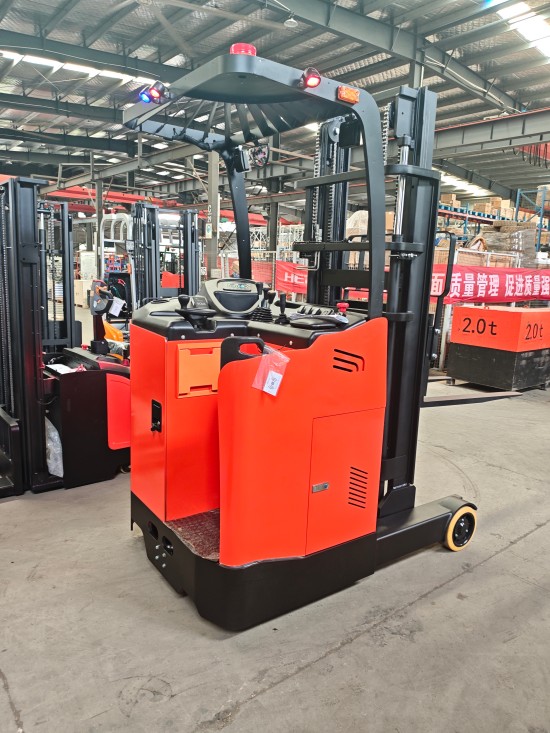
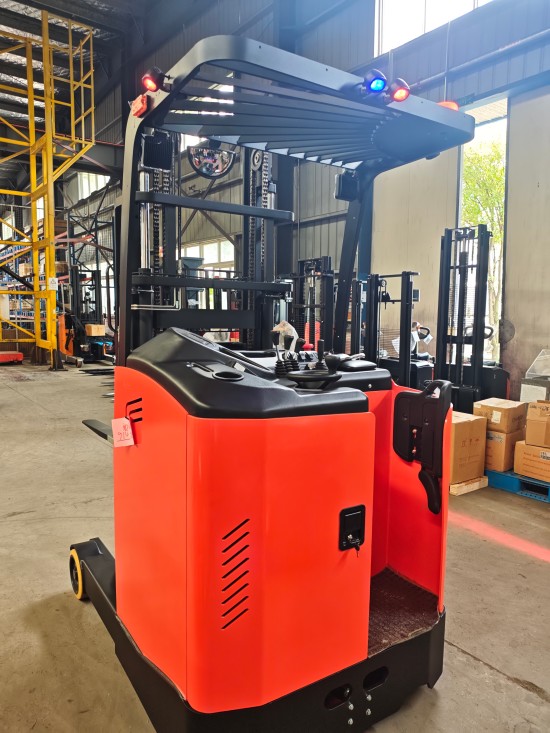
What Does Battery Voltage Mean on a Reach Truck?
Voltage determines the operating mode of the electrical system. For a given power requirement, a 48V system draws lower current, which reduces energy loss and heat generation in cables and electrical components.
But, voltage alone cannot indicate the driving range.
Battery energy should be compared in kilowatt-hours rather than amp-hours alone.
Computational formula as below:
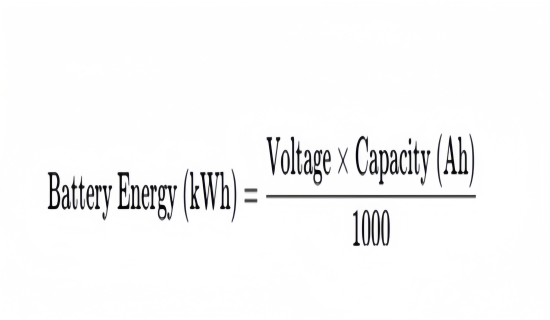
For example
24V × 400Ah = 9.6kWh,
48V × 400Ah = 19.2kWh,
Therefore, it is not correct to simply compare that both cars have "400Ah". The voltage is different, and so is the total energy storage.
24V vs 48V Electric Reach Truck Comparison
|
Comparison |
24V Reach Truck |
48V Reach Truck |
|
Typical application |
Light- to medium-duty handling |
Medium- to heavy-duty handling |
|
Suitable lift height |
Generally lower or medium heights , 3M-6M |
Better suited to higher lifts 3M-12M |
|
Load capacity |
1.5-1.6TON |
1.5-3.0Ton |
|
Lifting Motor output |
6.3KW |
3.0KW |
|
Driving Motor output |
4.5KW |
2.2KW |
|
Energy efficiency |
Suitable for lighter work |
Generally better under high power demand |
|
Operating time |
Depends on battery kWh and workload |
Better potential with a larger battery pack |
|
Initial cost |
Usually lower |
Usually higher |
|
Charger requirement |
24V-compatible charger |
48V-compatible charger |
|
Best for |
Small warehouses and shorter shifts |
High-rack warehouses and intensive shifts |
Advantages of a 24V Reach Truck
· Lower initial purchase cost,
· Compact electrical system,
· Suitable for light-duty warehouse operations,
· Adequate performance for lower lifting heights,
· Lower-cost battery and charging equipment in many configurations.
Advantages of a 48V Reach Truck
· Better suited to high-power drive and lifting motors
· Lower current for the same power output
· Reduced electrical losses under demanding conditions
· Suitable for higher lifting heights and intensive operation
· Greater potential battery energy when paired with an appropriate Ah capacity.
Does a 48V Reach Truck Always Run Longer?
Not necessarily. Operating time depends on total battery energy in kWh, load weight, lifting height, travel distance, motor efficiency and working intensity.
A 48V battery does not automatically provide longer runtime unless its total usable energy is greater.
What Is the Main Difference Between a 24V and 48V Reach Truck?
The main difference is the operating voltage of the electrical system. A 24V reach truck is commonly used for light- to medium-duty warehouse operations, while a 48V reach truck can support higher motor power and is generally more suitable for demanding applications. However, voltage alone does not determine the truck’s lifting capacity or performance.
Is a 48V Reach Truck More Powerful Than a 24V Model?
A 48V system can support higher drive and lifting motor output while drawing less current for the same power demand. However, the actual performance also depends on the motor power, controller, battery capacity, hydraulic system and reach truck design.
Is a 24V Reach Truck Suitable for High-Rack Warehouses?
It depends on the reach truck’s rated lifting height, residual capacity, motor power and mast configuration. Some 24V models can work in high-rack warehouses,
but 48V reach trucks are generally better suited to higher lifts, heavier loads and intensive warehouse operations.
Which Voltage Is Better for a Lithium-Ion Reach Truck?
A 24V lithium-ion reach truck can be suitable for lighter loads, shorter shifts and lower lifting heights. A 48V lithium-ion reach truck is generally more appropriate for higher lifts, greater power demands and intensive warehouse operations.
For our 1.6t or 2t lithium battery electric reach truck series, we usually equip with the 51.2V / 400Ah lithium battery capacity. Only need 90 minites to fully charge.
Pls note : The 51.2V/400ah lithium battery only can equip with the 48V electric reach truck system, the 24v is unavailable.
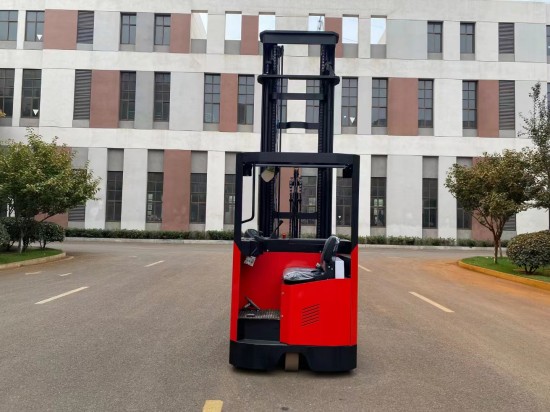
Not sure whether your warehouse needs a 24V or 48V reach truck? Send us your required load capacity, lifting height, working hours and aisle width.
FLIFT will recommend the appropriate voltage, battery capacity and reach truck configuration.